
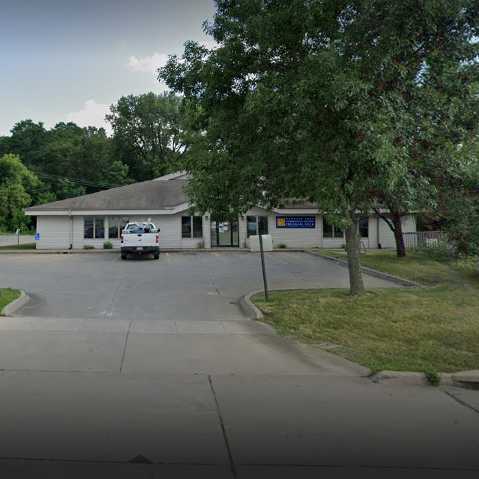
Address: 202 E Access Street, Suite D
Columbus Junction, IA - 52738
(319) 728-2314
Website
Low Income Home Energy Assistance Program (LIHEAP).
Other Services:
Budget Counseling
Child and Adult Care Food Program (CACFP)
Disaster Assistance
Early Head Start
Emergency Rent and Utilities
Employment Counseling
Family Development and Self Sufficiency
Food Pantry at each center
Furnace Repair and Replace
Referral
Head Start
Homeless Assistance
Housing Assistance
Preschool Scholarships
Senior Home Repair
Transportation Assistance
Weatherization
Special Supplemental Nutrition Program for Women, Infants and Children food program
The Low Income Home Energy Assistance program is called LIHEAP. They assist low income people and families with their heating and cooling bills. This program is therefore, a year long program that is available 12 months a year.
To qualify for the LIHEAP assistance, you need to qualify. We provide the current Federal Poverty Rates nationwide below.
You are automatically qualified for LIHEAP assistance if you participate in the SNAP food stamps program, TANF Temporary Assistance for Needy Families, or the SSI program through Social Security.
| Persons In Family | Earnings (100% Fed Poverty Guideline) |
| 1 | $15,060 |
| 2 | $20,440 |
| 3 | $25,820 |
| 4 | $31,200 |
| 5 | $36,580 |
| 6 | $41,960 |
| 7 | $47,340 |
| 8 | $52,720 |
*Alaska and Hawaii have different rates for HUD federal poverty guidelines.
These numbers above represent 100% of the Federal Poverty Rate. In order to get legal aid from some offices, they use a sliding fee scale. When they use a sliding fee scale, the 100% rate can be different than 100%. In those cases, using for example a 200% federal poverty level, you will only need double the 100% number listed above to 200%.
Have you used the Community Action of Southeast Iowa Louisa County LIHEAP service before? If so, please help our website users by answer these questions below.
0 based on 10 reviews

My archive contains generated song drafts exported at different points over the past few months. Some files share a title even though they contain different exports, and the filenames explain very little. My first step is preserving the originals and recording the purpose of every proposed revision. A phrase I used in my search was remove suno artifacts but that label does not prove a revision improved the recording. Would you use separate folders, a filename suffix, or a small spreadsheet to track those decisions? It matters to me that conversion history remains separate from notes about changes to the audio. For each file I can record the export date, source version, format, and reason for keeping it. I would rather maintain a small useful record than a complicated system I stop updating. How would you name these files so the original and the revision remain obvious next year?
I am preparing a classroom exercise about what changes when an audio file is exported into different formats. The source would be a short generated instrumental, with the original retained throughout the exercise. The first task would ask students to write listening notes before opening a visual display. I found mp3 to spectrogram as a possible reference while planning the visual part. We would then compare documented export settings using the same passage and a consistent playback level. The lesson needs to distinguish an observation in the image from a claim about its cause. A worksheet could separate audible observations, export settings, and questions that remain unresolved. There would be no requirement to repair the clip or produce a supposedly perfect version. Students would record the software used for each export so that their comparison can be repeated later. Which comparison mistakes should I explain before students begin this exercise?
As I let my gray hair grow in, I would rather experiment with existing clothes than assume I need a new wardrobe. For now, the roots and lengths have different colors, and I expect that mixed appearance to last through several more haircuts. There are light neutrals, darker neutrals, and a couple of pink scarves in my closet that I could use as comparison pieces. To give my questions a clearer starting point, I bookmarked a reference concerning personal color analysis as a starting point for further reading. A seasonal label would be less useful to me than understanding why I prefer particular scarves with my current hair. Would you repeat the same comparison every few months, or wait until most of the old color has been cut away? I am considering simple notes on what feels comfortable to wear, using a consistent set of scarves for each comparison. I would welcome ideas for modest changes during this process, particularly from people who kept most of their existing clothes.
Nachsten Monat bin ich einen Tag allein in Alicante und plane einen entspannten Weg vom Zentrum zum Meer. Meine Unterkunft liegt beim Bahnhof. Morgens mochte ich durch die Altstadt gehen, spater am Wasser sitzen und zwischendurch etwas essen. Fur den Morgen wunsche ich mir einen Spaziergang mit etwas Ruhe vor dem gro?ten Andrang. Die kleinen Gassen oberhalb des Zentrums klingen schon; ich wei? nur nicht, ob sie in der Mittagshitze angenehm sind. Bei der Suche nach alicante santa cruz habe ich ein paar Karten und Beschreibungen gefunden. Vor Ort ist die Frage fur mich eher, wie man die Wege sinnvoll legt und wo man unterwegs eine Pause einlegt. Wurdet ihr zuerst hinaufgehen und danach Richtung Hafen und Strand laufen? Ein langer Strandtag ist nicht geplant; eine Stunde am Wasser wurde mir reichen. Das Castillo ware nur dann eine Option, wenn der Weg und die Temperaturen noch passen. Falls der Aufstieg zu viel wird, lasse ich das Castillo einfach aus. Lieber sehe ich weniger Orte und habe dafur Zeit, die Stadt wirklich wahrzunehmen. Falls ihr Alicante ohne Auto besucht habt: Wo habt ihr mittags pausiert, und welcher Abschnitt war zu Fu? besonders lohnend? Hinweise zu Schatten und Steigungen waren hilfreich. Fur den Ruckweg ware auch eine kurze Fahrt mit offentlichen Verkehrsmitteln denkbar. Mich interessiert vor allem, was ihr beim nachsten Besuch anders planen wurdet.
Wahrend einer Stadtereise nach Barcelona bleibt uns ein ganzer Tag fur Meer und Strand. Wir wohnen im Zentrum und sind ohne Auto unterwegs. Die Anfahrt mit offentlichen Verkehrsmitteln sollte einfach bleiben. Fur den Strand nehmen wir uns bewusst einen gro?eren Teil des Tages. Ein etwas ruhigerer Abschnitt ware uns lieber als die vollste Promenade. Der Ruckweg soll auch am fruhen Abend mit dem Nahverkehr moglich sein. Unsere Taschen sind klein, deshalb konnen wir auch ein Stuck laufen. Der letzte Abschnitt darf gern ein angenehmer Fu?weg sein. Bei starker Hitze mochten wir die Wege allerdings uberschaubar halten. Bei der Recherche habe ich barcelona beste strande notiert. Welche Abschnitte wurdet ihr fur diesen Tagesplan vergleichen? Besonders hilfreich waren Erfahrungen zur tatsachlichen Fahrzeit, zur Orientierung vor Ort und zur Ruckfahrt am Abend. Auch Hinweise zu Schatten und einfachen Pausenmoglichkeiten wurden uns bei der Wahl helfen. Wir mochten die Entscheidung vorher treffen, damit wir den Tag nicht mit mehreren spontanen Ortswechseln verbringen.
Мне больше нравится прохладная погода, поэтому для летнего отпуска смотрю на север Испании. Думаю о поездке, в которой можно чередовать прогулки у моря, небольшие города и спокойные дни без плотной программы. Плавать каждый день необязательно, но иногда зайти в воду всё же хочется. Пока трудно выбрать между открытым побережьем и более защищёнными бухтами. На фотографиях оба варианта выглядят привлекательно, а вот ощущения при ветре и пасмурной погоде представить сложнее. Начинаю сравнение с городов, в которых можно остановиться. В частности, рассматриваю города на севере испании и выбираю поблизости варианты прогулок, если на берегу неуютно. Не стремлюсь объехать всё побережье за одну поездку. Скорее проведу больше времени в одном месте, чем буду спешить дальше. Отдельно рассматриваю доступность магазинов и кафе, чтобы в дождливый день не зависеть от длительной поездки в другой город. Какой компромисс между пляжем и прогулками вам кажется удачным? Особенно полезны детали о береговых прогулках, ветре и повседневном удобстве выбранного места.
Пытаюсь выделить Малаге целый день между двумя переездами по Андалусии. Хочется провести его пешком, но без гонки от одной достопримечательности к другой. В музей зайти хочется, но посвящать помещениям большую часть дня пока не планирую. Пока думаю, совместить ли старый центр с подъёмом или оставить только нижнюю часть города. Стараюсь заранее оценить подъёмы и места для отдыха, особенно если будет жарко. Не хочу сжимать обед до перекуса на ходу ради ещё одной точки маршрута. Вечером предстоит дорога дальше, так что маршрут должен закончиться без спешки. Интересно, какие остановки стоит выбрать, если главное — почувствовать город за день. что посмотреть в малаге за 1 день — смотрю этот материал для предварительного списка. Часы работы выбранных мест проверю отдельно, когда станет известна дата. Сейчас пытаюсь оставить в плане достаточно свободного времени. Если кто-то проходил похожий маршрут, расскажите, где удобнее сделать первую остановку и сколько времени оставить на возвращение к вокзалу с небольшим запасом.
Помогаю коллегам договориться о зимней поездке в Вену. Днём у каждого свои дела, а на вечер хочется предложить одну общую прогулку. Пока обсуждаем только подход к выбору места, без покупки билетов и бронирования. Часть компании рассчитывает на спокойный разговор за чаем. Кому-то хочется больше гулять и разглядывать небольшие торговые площадки. При поиске попался запрос рождественские ярмарки в вене 2025 — сохранил ссылку как отправную точку для обсуждения. Понимаю, что прошлогодние материалы не подтверждают даты и условия следующей поездки. Поэтому хочу отдельно выписать вопросы, которые проверим ближе к выезду. Сначала собираюсь уточнить расписание и правила посещения. Затем нужно оценить дорогу от места нашей встречи. Заодно выберем альтернативу на случай сырого вечера. У нас будет общая точка сбора и ограниченное время, поэтому полезнее заранее согласовать ожидания каждого, чем пытаться за один вечер охватить все найденные места. Какие сведения вы обычно перепроверяете у организаторов, даже если описание выглядит подробным? Помогите составить короткий список для такой проверки.
Собираюсь съездить из Берлина в Потсдам на день и пытаюсь составить маршрут, который не потребует постоянной спешки. Выезжать до рассвета не хочется, а вечером нужно вернуться в город к заранее назначенной встрече. Поэтому ищу не список всех достопримечательностей, а понятную последовательность дороги и прогулки с запасом времени. Для подготовки нашёл материал по запросу потсдам сан-суси как добраться — это отправная точка для дальнейших уточнений. С собой планирую взять воду и небольшой перекус, но остановку на обед тоже хотелось бы предусмотреть. Для меня это первая поездка в Потсдам, поэтому расстояния по карте пока трудно соотнести с реальной прогулкой. Буду благодарен за совет о начале прогулки: какую точку вы выбрали бы при таком ограничении времени? Сравниваю два порядка: сначала центр, затем парк либо прогулка по парку с возвращением через город. Посещение интерьеров рассматриваю отдельно, поскольку заранее купленный билет может сделать весь маршрут менее гибким. Если такой день получается слишком плотным, подскажите, какую часть маршрута разумнее сократить без ощущения бесконечной гонки.
Едем в Прагу с дошкольником и заранее продумываем день на случай дождя, чтобы не принимать все решения на улице. Мы не стремимся собрать много достопримечательностей: важнее немного погулять, дать ребёнку поиграть и вовремя сделать перерыв на еду. Пока ищу полезный материал по запросу детский остров Прага. Не хочется строить вокруг одной площадки весь день, поэтому ищу сведения, которые помогут решить, подходит ли нам такая остановка. Ищу место для сухой паузы с ребёнком, чтобы смена погоды не заставляла срочно пересекать весь город ради другого занятия. Отдельно хочу оценить бытовые удобства и обратную дорогу, чтобы после прогулки не искать транспорт и еду с уставшим ребёнком. Если у вас был похожий день в Праге, поделитесь связкой мест, которую удалось легко изменить без лишних поездок и спешки. Перед посещением уточню действующие условия, но сначала хотелось бы выбрать несколько близких вариантов, между которыми действительно удобно переключаться с ребёнком.

copyright © 2026. All rights reserved.